

Schedule a Free Estimate. Our estimates, consultations and inspections are always free.
Installing a New Roof
Before we get to roofing options, it is very important for you to know the components of a roof. Each component is a very important piece of the roof as a whole. If one part is missing, then it will not function properly. For example, the number of vents is calculated by the total squares of the roof. If you install too few vents, the roof will be open to failure because of the inability to vent out the hot, humid air. This will cause buckling of the decking and shingles and will void any warranty. If you install too many vents, it will be difficult to heat your home in the winter. There is a fine balance with all components, and our professionals have taken courses to brush up on their skills. These courses are created by the shingle manufacturers so we can be completely confident that your warranty will not be at risk and your roof will have the long life the shingles were intended for.
What Makes Up a Roofing System?
A roof is made of several important layers and components working together to protect your home.
The most important for your roof:
-
Roof decking
-
Underlayment
-
Flashing
-
Plumbing Ventilation
-
Roof Ventilation (turtle vents or ridge vents)
-
Soffit Ventilation
-
Drip edge
-
Roof covering
-
Valleys and transitions
-
Fascia and soffit areas
-
Proper sealing around penetrations
-
Gutters and Downspouts
-
Covering
The visible roofing material matters, but the quality of what is underneath matters just as much. A beautiful roof will not perform the way it should if the system is not installed correctly or properly balanced.
That is why we take time to inspect, explain, and help homeowners understand what their roof actually needs before recommending a repair, replacement, or upgrade.

Roofing Material Options

Metal Roofing
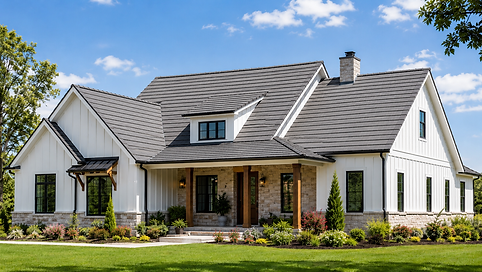
Metal roofing is a strong, long-lasting option for Kansas homeowners who want durability, lower maintenance, and long-term protection.
Modern residential metal roofs are not just for barns or commercial buildings anymore. They can give a home a clean, updated appearance while standing up well to wind, storms, heat, and changing weather conditions. While metal roofing may cost more upfront, many homeowners consider it for its lifespan, energy-efficiency potential, and long-term value.
Best for homeowners who want:
Durability, long-term value, lower maintenance, and a clean residential look.
Learn More About Metal Roofing
Asphalt Shingles
Asphalt shingles are one of the most common roofing options for homeowners because they are affordable, familiar, and available in a wide range of colors and styles. They can be a practical choice when upfront cost is the main concern or when a homeowner needs a straightforward roof replacement. Like any roofing material, asphalt shingles perform best when the full roofing system is properly installed, including decking, underlayment, flashing, ventilation, and drainage.
Best for homeowners who want:
A familiar, budget-friendly roofing option with flexible style choices.
Learn More About Asphalt Shingles
Clay & Concrete Tile Roofing
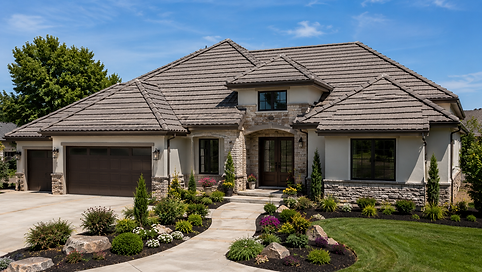
Clay and concrete tile roofing can offer a beautiful, distinctive look with excellent durability when installed on the right home. Tile roofing is heavier than many other roofing materials, so it is important to make sure the structure is appropriate before choosing this option. For homeowners looking for a more custom or high-end appearance, tile roofing can create strong curb appeal while offering long-lasting protection when properly installed and maintained.
Best for homeowners who want:
A distinctive appearance, strong curb appeal, and a long-lasting premium roofing option.
Learn More About Clay & Concrete Tile Roofing
Composite Shingles
Composite shingles are designed to offer the look of traditional roofing materials with modern performance benefits. Depending on the product, composite shingles may be made to resemble slate, shake, or other premium styles while being lighter and often easier to maintain than the natural materials they mimic. For homeowners who want an upgraded look without choosing metal or tile, composite shingles can be a practical middle-ground option.
Best for homeowners who want:
A traditional or premium look, design flexibility, and a balance between appearance and performance.
Learn More About Composite Shingles
Choosing the Right Roof for Your Home
There is no one-size-fits-all answer.
The best roofing option depends on:
-
Your home’s structure
-
Your current roof condition
-
Your budget
-
Your long-term plans
-
Your preferred appearance
-
Your maintenance expectations
-
Your ventilation and drainage needs
-
The weather conditions your home faces
Sometimes the best choice is a repair. Sometimes it is a full replacement. Sometimes it is an upgrade to a more durable roofing system.
Our job is to help you understand the difference before you spend money.
Our Approach
At Veterans Siding & Exteriors of Kansas, we believe homeowners deserve honest guidance before making a major investment.
We inspect the full roofing system, explain what we find, and walk you through your options in plain language. If your roof needs attention, we will help you understand why. If something can wait, we will tell you that too.
No pressure. No scare tactics. Just clear information and quality work.
Not Sure Which Roofing Option Is Right for Your Home?
We can help you compare your options and make a confident decision.
Whether you are considering metal roofing, clay or concrete tile, composite shingles, or simply need an honest inspection, Veterans Siding & Exteriors of Kansas is here to help.
Built for Kansas weather. Built to last. Built on trust.



Signs of Roof Damage

Roof damage is not always obvious from the ground. Sometimes the first warning signs appear inside the home, around gutters, near roof edges, or after repeated storms. Catching these issues early can help prevent small problems from turning into expensive repairs.
1) Missing or Damaged Shingles
Missing, cracked, curled, or loose shingles can leave the roof vulnerable to water intrusion. Shingles are designed to shed water away from the home, so when they are damaged or missing, rain can reach the layers underneath.
If the damage is limited to a small area, a repair may be enough. If shingles are failing across large sections of the roof, replacement may be the better long-term option.
2) Water Stains Inside the Home
Water stains on ceilings or walls can be a sign that moisture is getting past the roofing system. Even a small stain should not be ignored because water can travel before it becomes visible inside the home.
Leaks can come from damaged roofing materials, flashing, vents, valleys, or other roof transitions. The important part is finding the true source before repairing the interior damage.
3) Sagging or Soft Spots
A sagging roofline or soft areas in the roof can point to deeper structural problems. This may happen when moisture has reached the decking or framing beneath the roof covering.
Soft spots should be inspected quickly because they may indicate rot, trapped moisture, or weakened roof decking. In some cases, the roofing material may need to be removed so the damaged structure underneath can be repaired or replaced.
4) Granules Collecting Near Downspouts
For asphalt shingle roofs, granules help protect the shingles from sun exposure and weather. If you notice a large amount of granules collecting near downspouts or at the bottom of gutters, the shingles may be wearing down.
Some granule loss is normal over time, but heavy or repeated granule loss can mean the roof is aging or storm-damaged. Once shingles lose too much protective coating, they may become more vulnerable to cracking, heat damage, and leaks.
5) Repeated Leaks After Storms
If your roof leaks every time heavy rain or strong winds come through, there may be a larger issue with the roofing system. Repeated leaks often mean the problem has not been fully corrected, or that the source of the leak is not where it first appears.
Storm-related leaks can come from shingles, flashing, vents, valleys, siding transitions, or areas where water is being pushed into vulnerable openings. A proper inspection helps determine whether the issue can be repaired or whether a larger replacement is needed.
6) Damaged Flashing
Flashing protects some of the most vulnerable areas of a roof, including chimneys, walls, valleys, skylights, and roof transitions. When flashing is loose, rusted, cracked, or poorly sealed, water can get behind the roofing system.
Flashing problems are one of the most common causes of leaks. Repairing or replacing damaged flashing can often prevent water from reaching the decking, walls, or interior of the home.
7) Poor Ventilation
A roof needs proper airflow to perform the way it should. Poor ventilation can trap heat and moisture in the attic, which may shorten the life of roofing materials and contribute to mold, condensation, or decking damage.
Ventilation issues do not always require a full roof replacement, but they should be corrected as part of any roofing repair or replacement plan. A roof is a system, and airflow is part of that balance.
8) Damaged Fascia, Soffit, or Roof Edges
Damage around fascia, soffits, and roof edges can allow moisture, pests, and weather to reach areas that should stay protected. These areas also play an important role in ventilation and drainage.
If the damage is minor, repairs may be possible. If moisture has spread or the materials are rotting, replacement may be needed to restore proper protection.
Why Roof Damage Should Not Be Ignored
Small roofing problems can grow quickly, especially in Kansas weather. Wind, hail, heavy rain, heat, and sudden temperature changes can all make existing damage worse.
Ignoring roof damage can lead to:
-
Interior leaks
-
Damaged insulation
-
Mold or moisture problems
-
Rotted decking
-
Structural damage
-
Higher repair costs later
-
Reduced energy efficiency
-
Shortened roof lifespan
The sooner the problem is inspected, the easier it is to understand your options.
Repair or Replace?
Not every roof problem means you need a full replacement.
A repair may be enough when the damage is small, isolated, and caught early.
Replacement may make more sense when the damage is widespread, the roof is near the end of its life, or the same problems keep coming back.
At Veterans Siding & Exteriors of Kansas, we inspect the full roofing system and explain what we find in plain language so you can make a confident decision.
No pressure. No scare tactics. Just honest guidance.

